5 Product-Led Growth Loops Inside GetMusic
How AI helps a solo founder operate built-in distribution without a team
Chuck Blake // AI Side-Project Showcase // June 2026
What GetMusic Does
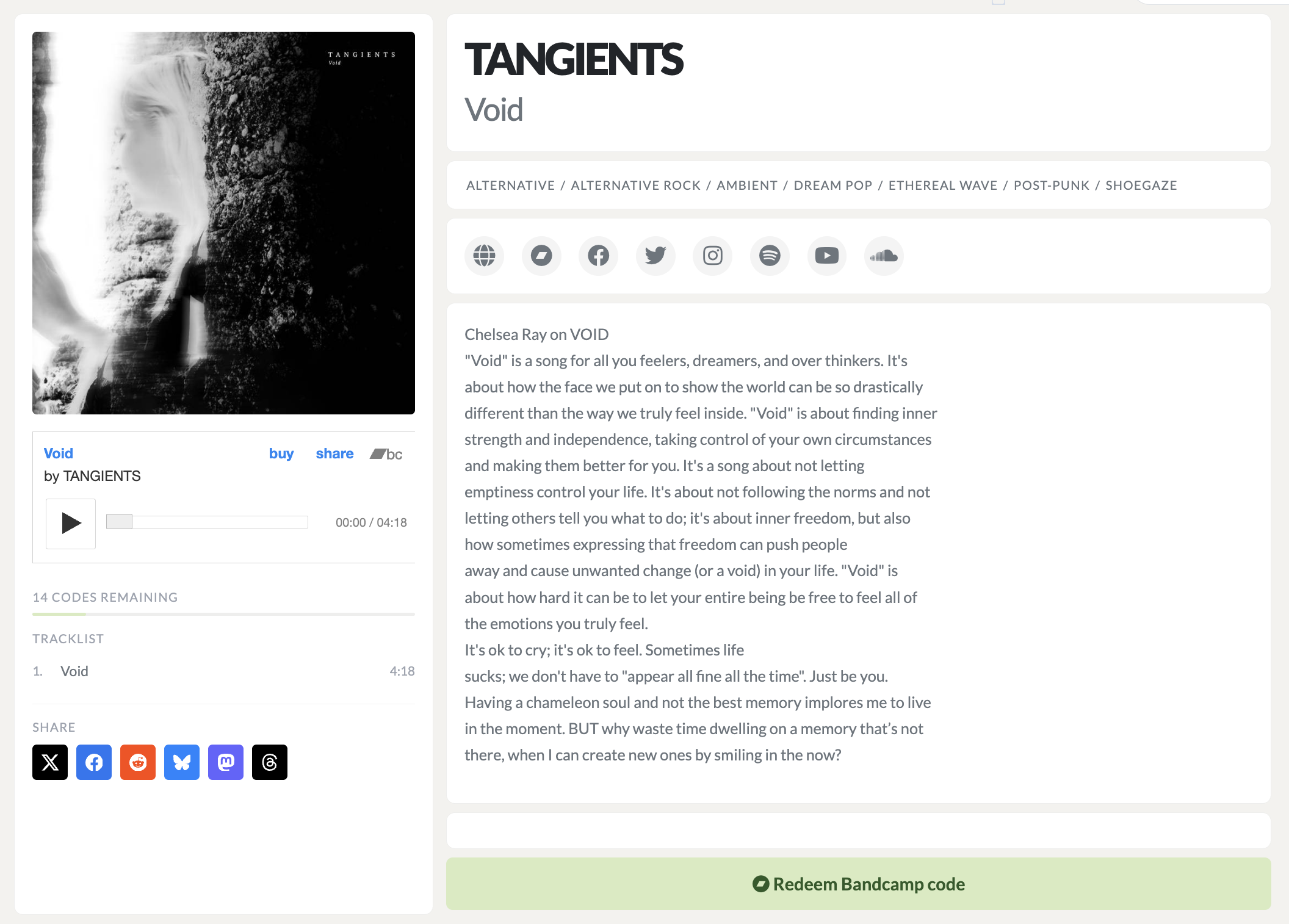
Bandcamp code distribution & independent music discovery
- Bandcamp artists have download codes they want to distribute
- Fans want music discovery, not just another feed
- GetMusic distributes, organizes, promotes, and recirculates independent music
- Solo-operated — one founder, zero employees
The real story is not the product. It's the product-led distribution system built around it.
Most Side Projects Bolt Marketing On Afterward
I tried to make distribution a product behavior.
- Artists upload releases — those uploads become promotional assets
- Product activity creates structured raw material for distribution
- AI turns that raw material into copy, summaries, posts, and descriptions
- The growth loop came first; AI just makes it operable by one person
AI is not the growth strategy. AI makes the growth strategy operable by one person.
The Dangerous Failure Is Silence
Building a system that watches the machines.
- As GetMusic automates more work, the scariest failure is not the crash
- A crash screams. A job that silently stops firing whispers nothing
- Built a Scheduled Checks dashboard: red / yellow / green on every background job
- Health is never stored — computed live from now vs. last run
A dead thing can't raise its hand to say it died. So the system doesn't wait for it.
Who Watches the Watchman?
If the whole server dies, the internal monitor dies with it.
- Every healthy 5-minute pass pings an external dead-man's switch
- If that ping stops: an outside service raises the alarm, independent of GetMusic
- Daily digest fires even when everything is green — silence is ambiguous
- Adding a new check:
ScheduledCheck.run("nightly_scrape") { ... }
These tables answer "did everything run well?" The external service answers "did the monitor itself even run?"
Product → Automation → AI Ops
Three layers. Only one of them is AI.
01 PRODUCT
Artist uploads, profiles, featured surfaces, Spotlights, IndieCrates, radio matches
02 AUTOMATION
Background jobs, queues, scheduled posts, notification triggers, approval workflows
03 AI OPS
Release summaries, social copy, tag descriptions, playlist blurbs, trust-and-safety checks
AI is useful because the product creates structured moments for it to act on. The loop came first.
Loop 1: Uploads Become Distribution Moments
The upload is not the end. It's the start of the loop.
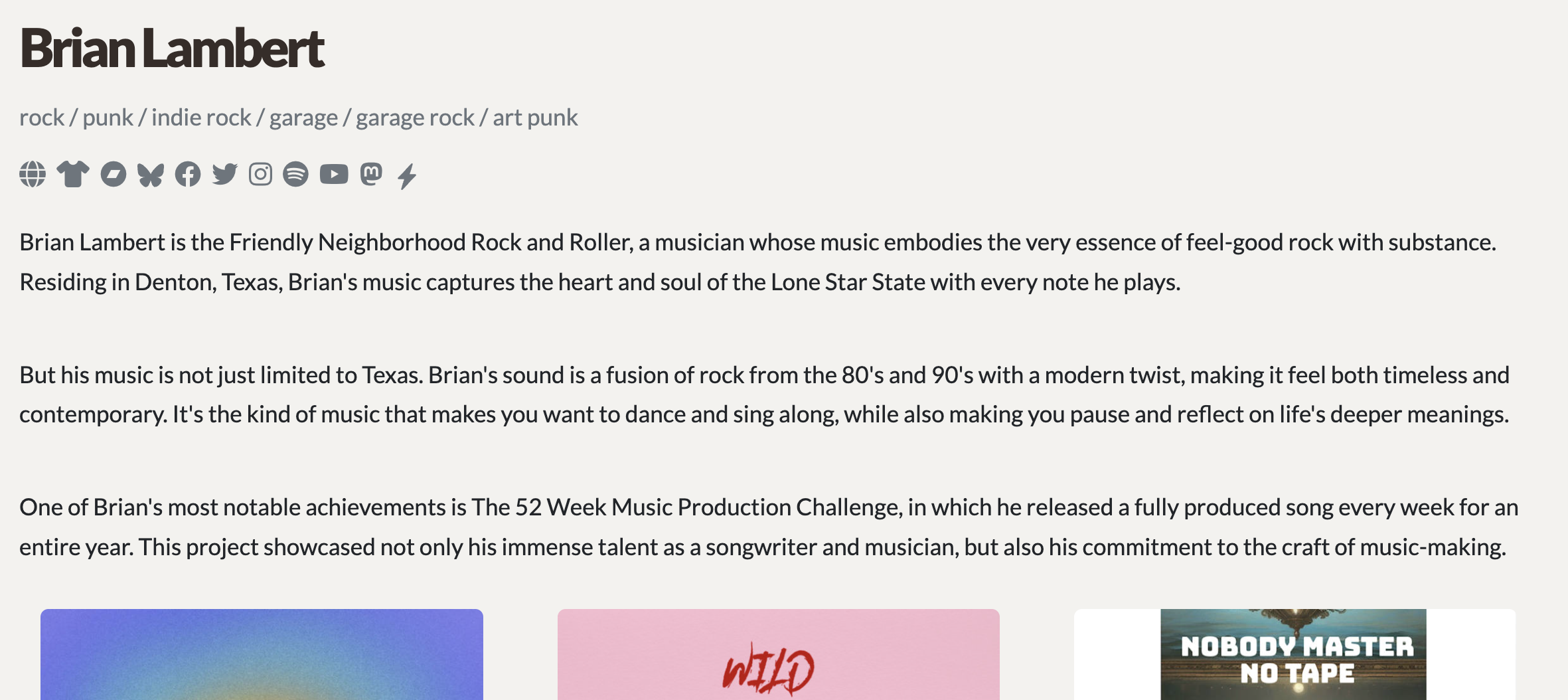
- One artist upload becomes multiple downstream assets
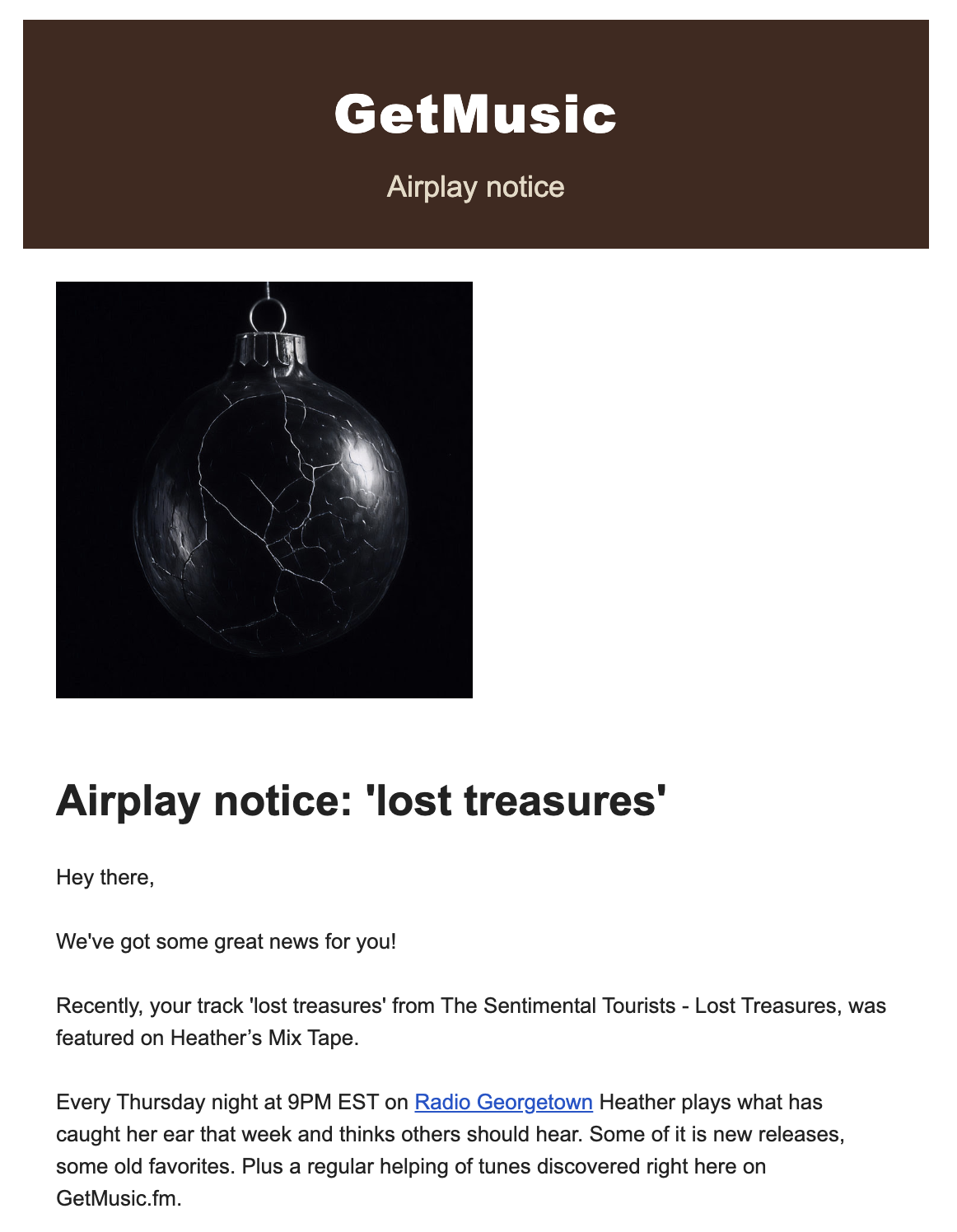
- Release page, summary, social posts, code distribution, catalog inclusion
- And future recirculation — the release keeps getting surfaced
- The product turns an event into reusable distribution raw material
The upload is not the end of the workflow. It is the start of the distribution loop.
Loop 2: Artist Metadata Becomes Attribution and Reach
Profile data is not just profile data. It's attribution infrastructure.
- Artists provide names, links, social handles, genres, locations, release metadata
- That data is reused in posts, profiles, notifications, and discovery surfaces
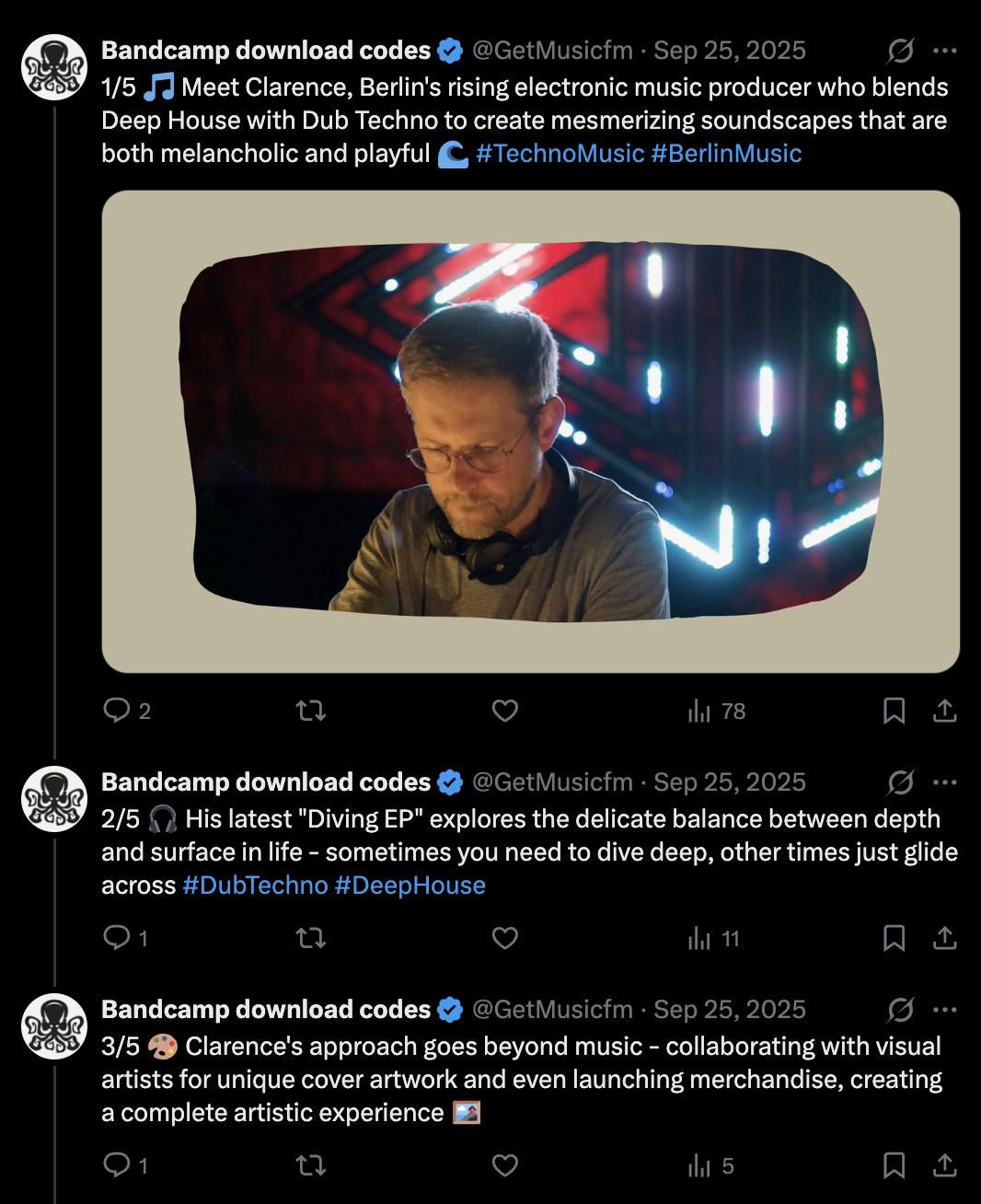
- When GetMusic posts about an artist, it tags them
- That gives the artist a reason to engage, like, reply, or reshare
Every piece of user-provided metadata can become future distribution context.
Loop 3: Notifications Create Reshare Moments
Tell them at the exact moment they're most likely to share.
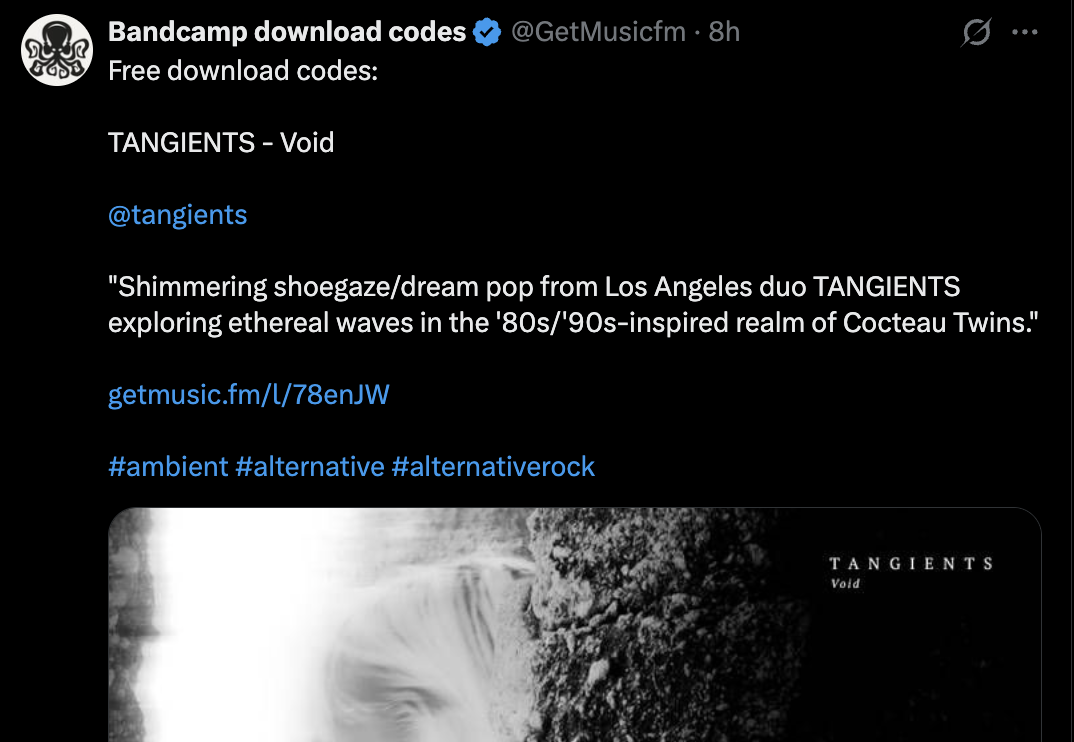
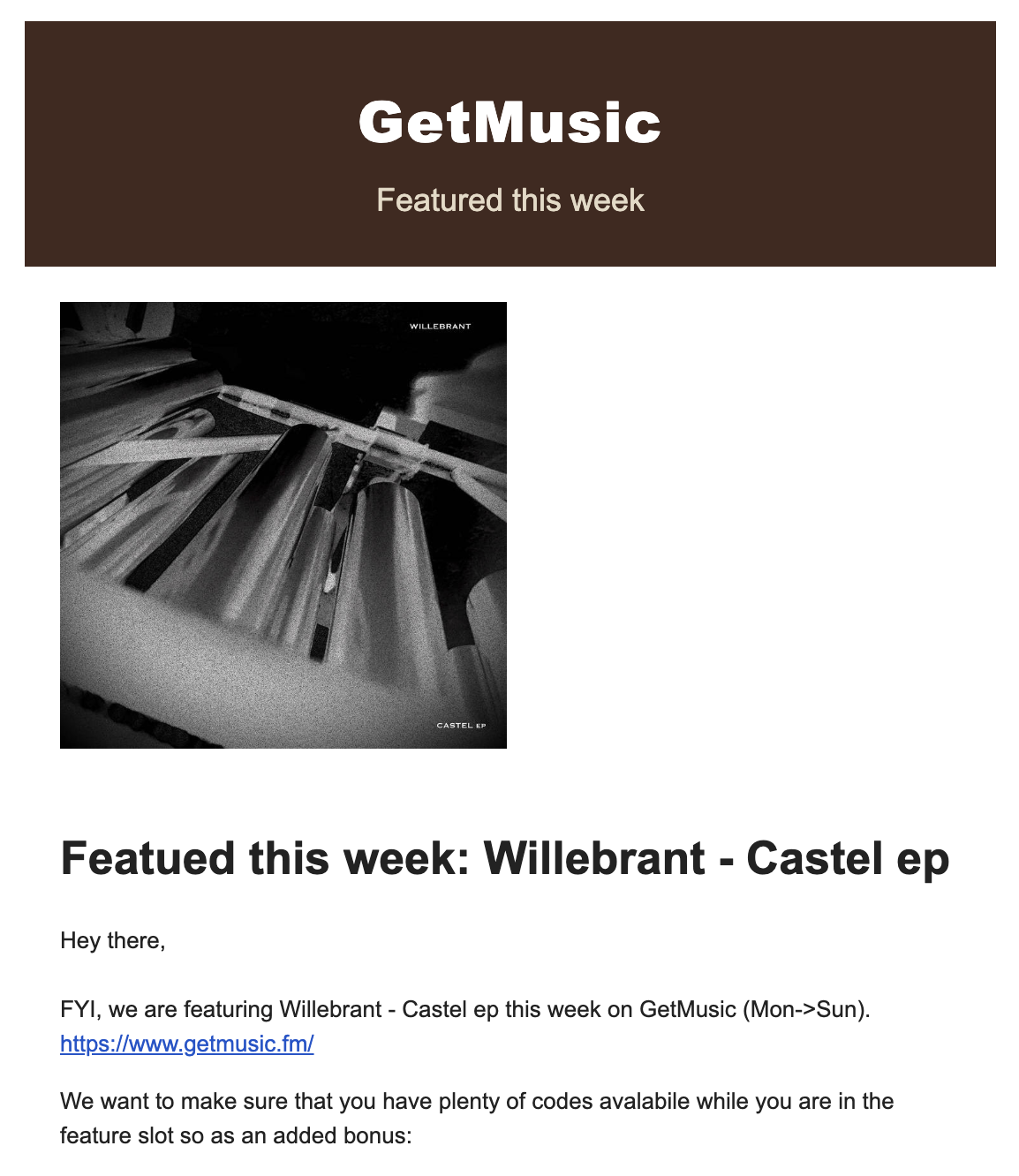
- Artists are notified when GetMusic features them: new release, popular pick, radio play, Spotlight
- A notification is both a service touchpoint and a distribution trigger
- If the product creates a moment someone is proud of, tell them
- They reshare, which brings new fans back to GetMusic
If the product creates a moment someone is proud of, tell them at the exact moment they are most likely to share it.
Loop 4: Spotlights Turn Artists Into Co-Marketers
Ask for structured raw material, then turn it into something they want to distribute.
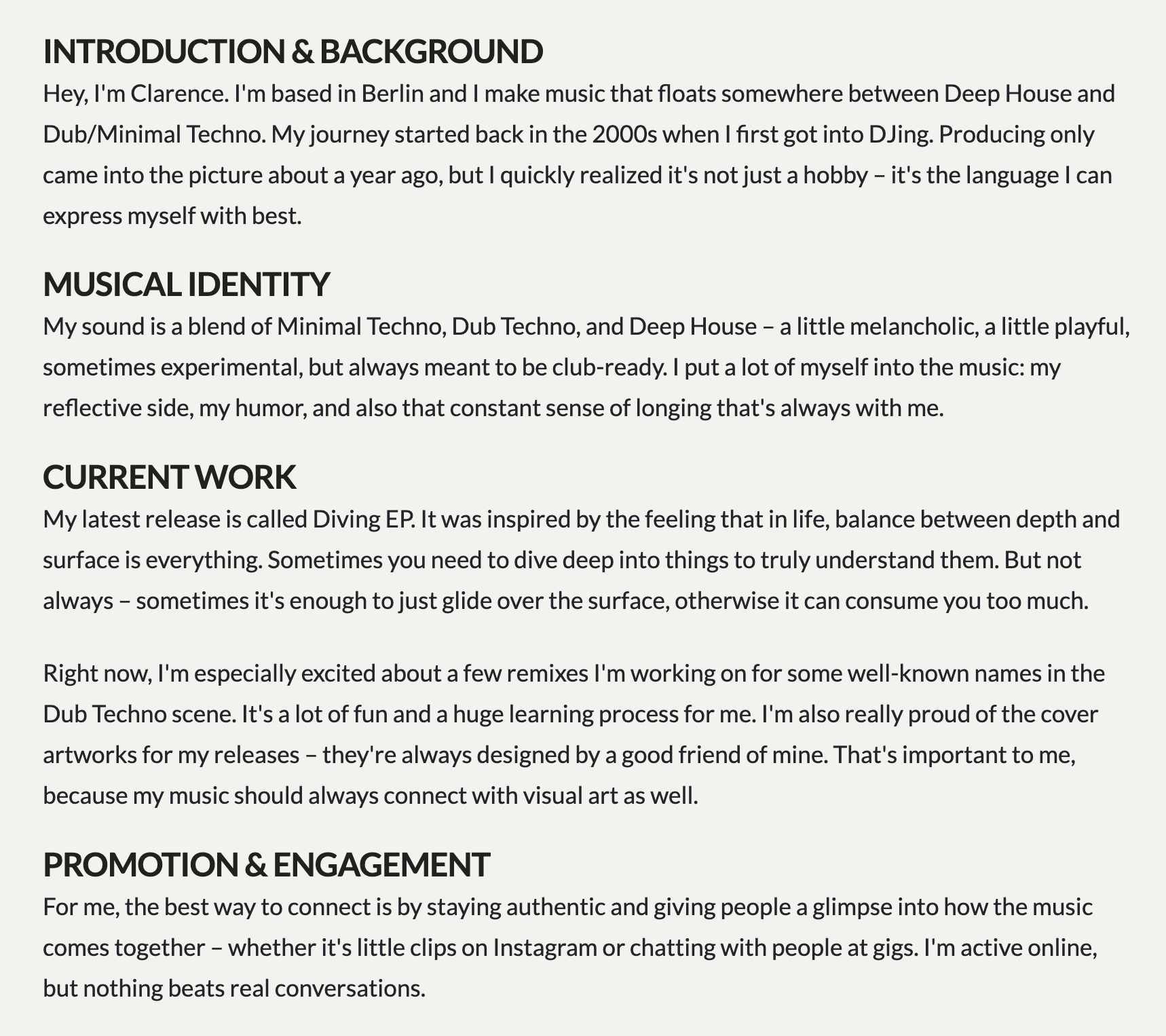
- Artist self-serves a form: bio, origin story, creative process, fan engagement
- GetMusic turns those inputs into a publishable feature story
- Because the artist contributed, they have emotional ownership
- That ownership makes them more likely to share
The artist is not just the subject of the content. They help create the raw material, which makes them more likely to distribute it.
Loop 5: Distribution Satellites Extend the Surface Area
Don't let product value expire at the initial transaction.
- GetMusic is not only one release page
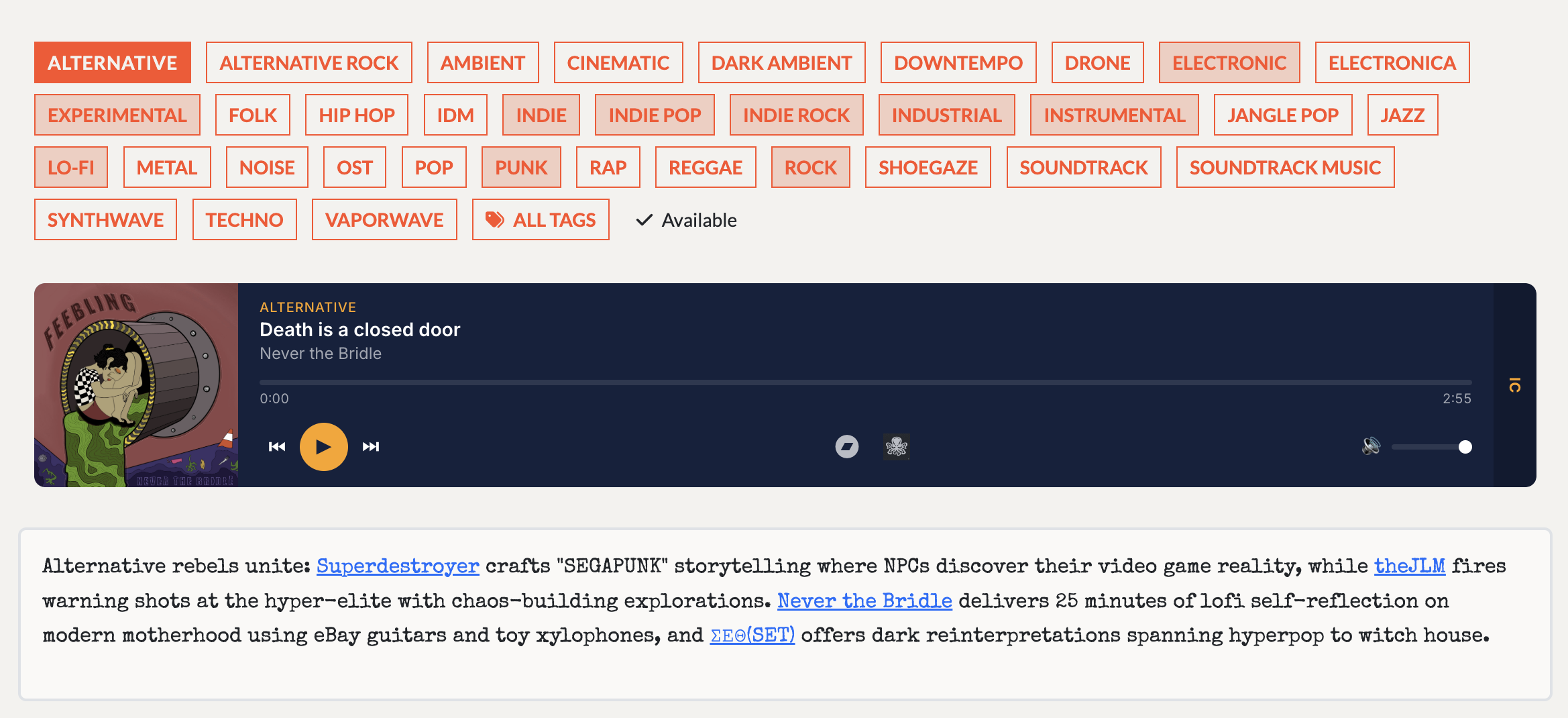
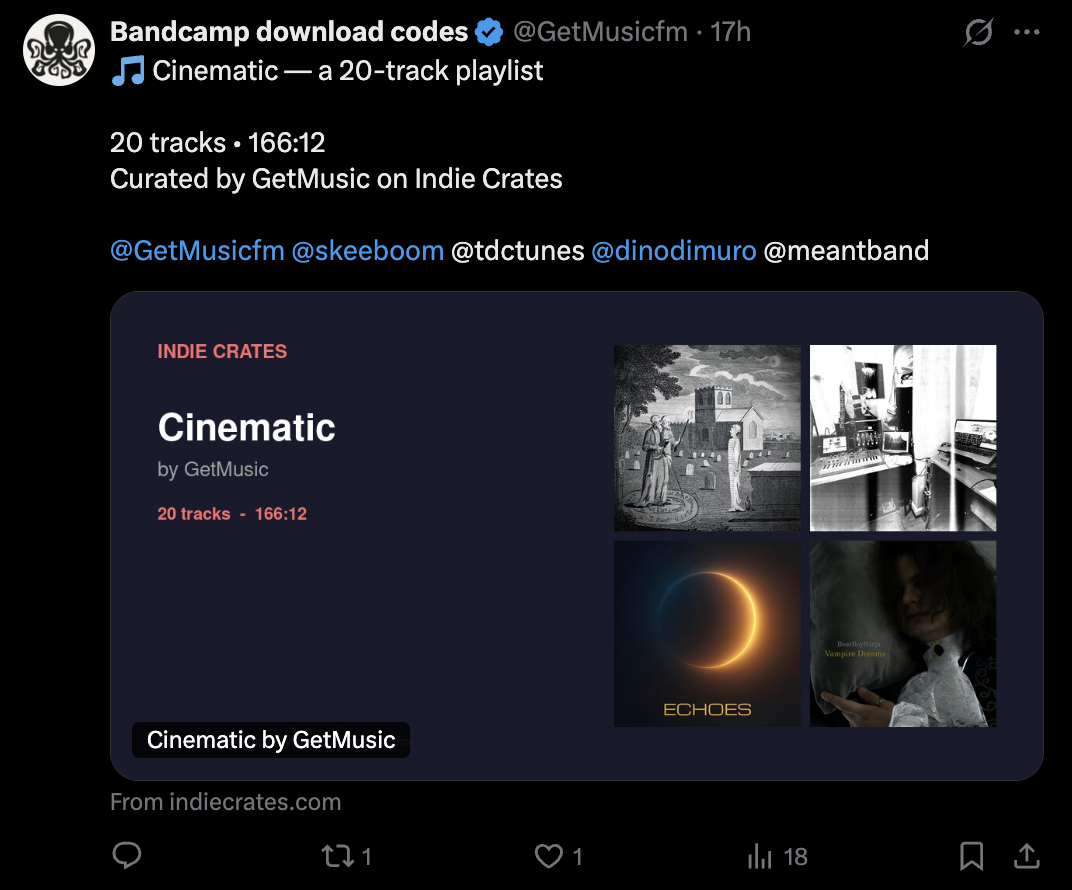
- It builds surrounding surfaces: IndieCrates, radio pages, featured posts, popular releases, playlists, SonicSift
- Each surface gives a release another chance to be discovered
- A release onboarded two years ago can still be posted today
A release I onboarded two years ago can still be posted today, in copy I never wrote.
Where AI Actually Fits
I don't have an editor, a social manager, a moderator, a curator, and a copywriter.
I have product events, Rails jobs, prompts, and review points.
The Moat Is the Loop, Not the LLM
What AI can help anyone build, AI can also help anyone copy.
- AI did not magically create GetMusic's growth
- The product creates structured distribution events: releases, artists, spotlights, tags, playlists, social posts, radio matches
- The loop came first; AI made the loop operable by one person
- If AI can help anyone build features faster, the defensible part is the loop around what you build
Don't ask, "Where can I add AI?" Ask, "What repeated product events create useful raw material?" Then use AI to turn that raw material into
distribution.
Find Me
- Website: chuckblake.com
- X: @chuckblake
- LinkedIn: /in/chuckblake
- Slides: chuckblake.com/presentations/ai-side-project-showcase-getmusic/